Each vintage tells its own story. In 2026, the story at Sterling Vineyards was one of record-breaking timing, exceptional balance, and a season free from extremes. It is the kind of growing year that winemakers remember.
At a Glance
- Harvest start: First week of August 2026, the earliest in Lauren Kopit’s career
- Season character: Moderate temperatures, abundant sunshine, no extreme weather events
- Whites: Beautiful natural acidity preserved throughout
- Reds: Wonderfully dark ruby color and deep concentration
- Winemaker: Lauren Kopit, Sterling Vineyards
A Season That Made History
The 2026 harvest at Sterling Vineyards marked a first: the earliest start and finish winemaker Lauren Kopit has recorded in her career. Beginning in the first week of August, the season unfolded with ideal growing conditions: moderate daytime temperatures, plenty of sunshine, and a natural rhythm that allowed grapes to ripen steadily and without stress.
In Napa Valley, where Calistoga’s warm days and cool nights already support slow, even ripening, 2026 offered something even more consistent. The absence of extreme heat or cold spikes meant that varietals could develop fully on their own terms, building concentration without sacrificing freshness.
What the Season Produced
White Wines
For white wines, acidity is everything. It defines a wine’s energy, its aging potential, and how it feels in the glass. In 2026, the steady temperatures and generous sunshine allowed white varietals to maintain beautiful natural acidity throughout the growing season. Expect whites from this vintage to be bright, balanced, and structured for the long term.
Red Wines
The reds are already making a statement. Even at this early stage, the 2026 vintage is showing wonderfully dark ruby color, a strong indicator of depth, concentration, and the kind of structure that develops beautifully with time in barrel and bottle. The combination of warmth and consistency in the growing season contributed to full phenolic ripeness without overextraction.
From the Winemaker

“This 2026 vintage season featured the earliest beginning and ending I’ve seen yet in my career. After starting in the first week of August, the rest of the season featured fairly moderate temperatures and plenty of sunshine, which provided the grapevines with a season free from extremes. White wines maintained beautiful natural acidity, and red wines are showing wonderfully dark ruby color. I cannot wait to see how these wines evolve over time.”
— Lauren Kopit, Winemaker, Sterling Vineyards
What Comes Next
As fermentation continues and barrel aging begins across both white and red programs, the 2026 vintage will spend the coming months developing complexity and depth. The wines Lauren is watching now will eventually find their way into Sterling’s full lineup, from Chardonnay and sparkling whites to the estate’s flagship Cabernet Sauvignon and single vineyard wines.
In the meantime, explore the current vintage releases from our Napa Valley estate.
FAQs
When did the 2026 harvest at Sterling Vineyards begin?
The 2026 harvest began in the first week of August, the earliest start winemaker Lauren Kopit has recorded in her career at Sterling Vineyards.
What made the 2026 growing season unique?
The 2026 season was defined by moderate temperatures and consistent sunshine throughout, with no extreme weather events. This allowed grapes across all varietals to ripen evenly and fully, preserving natural acidity in whites and developing deep color and concentration in reds.
How do the 2026 white wines look?
Early indications show that 2026 whites maintained exceptional natural acidity throughout the season, a strong sign of freshness, balance, and aging potential.
What is the early outlook for 2026 red wines?
The 2026 reds are already showing wonderfully dark ruby color and deep concentration, which suggests structured, expressive wines with excellent long-term potential.
Where are Sterling Vineyards’ estate vineyards located?
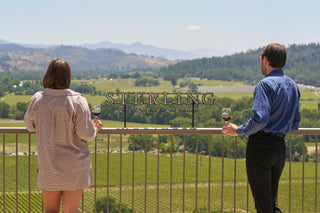
Sterling Vineyards is located in Calistoga, at the northern end of Napa Valley. The estate sits 300 feet above the valley floor, where warm days, cool nights, and volcanic soils create ideal conditions for growing Cabernet Sauvignon, Chardonnay, Malbec, and other varietals.